
Spaces that dictate habits.
We do not merely exist within our environments; we adapt to them. Structuring your surroundings is the most passive yet effective way to encourage a balanced lifestyle.
The Architecture of Calm
Visual clutter directly correlates with cognitive load. A disorganized space demands constant, low-level attention, depleting mental energy required for focus and relaxation. By intentionally curating our workspaces and living areas, we reduce this invisible friction, allowing for a more natural state of ease.
Illumination
Prioritizing natural light regulates the circadian system. When artificial light is necessary, employing indirect, warm-toned lighting in the evenings mimics natural dusk, aiding the transition to rest.
Atmospheric Quality
Ventilation and indoor air quality subtly impact cognitive stamina. Integrating simple air-purifying plants and ensuring regular airflow prevents the lethargy associated with stagnant environments.
Acoustic Control
Chronic exposure to disruptive noise elevates stress markers. Utilizing sound-absorbing materials or dedicating quiet zones within the home fosters environments conducive to deep work or recovery.
Establishing Digital Boundaries
The modern environment extends beyond physical walls into the digital realm. Constant connectivity blurs the necessary boundaries between professional obligation and personal recovery.
Designating "tech-free" zones—such as the bedroom or the dining table—reclaims physical space for analog relaxation. This deliberate separation conditions the mind to associate specific areas strictly with restorative activities, enhancing overall sleep hygiene and interpersonal connection.

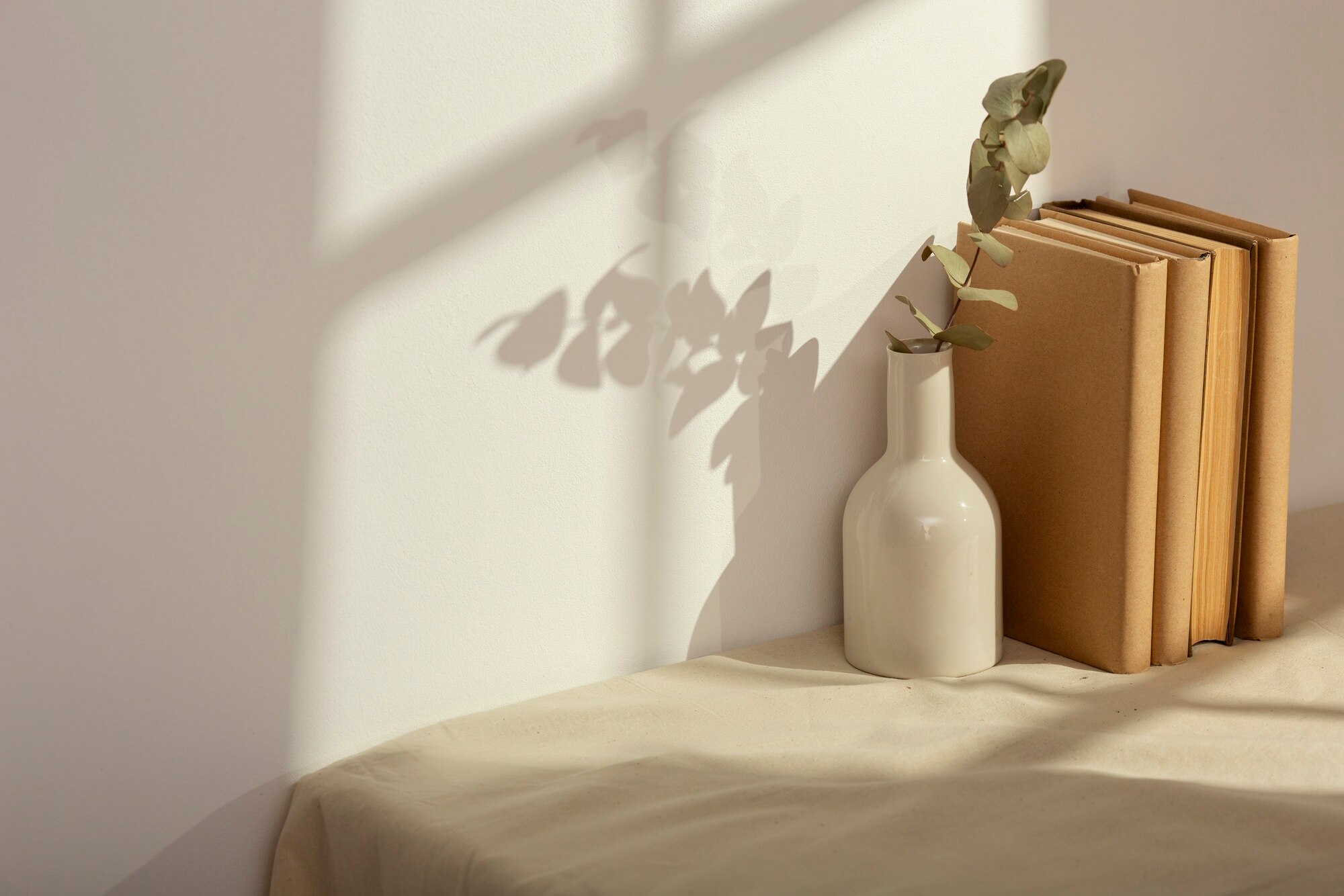
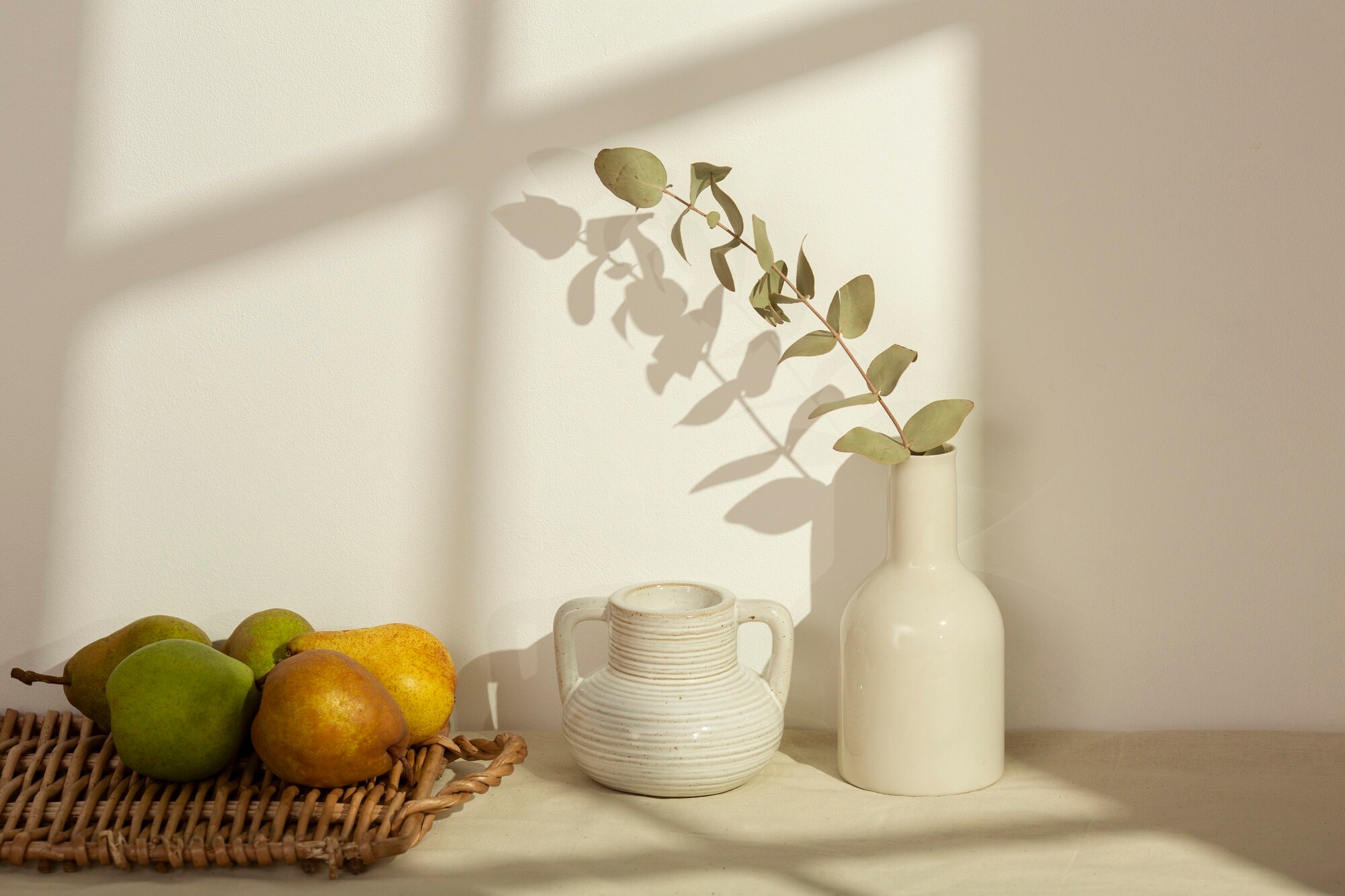
Intentional design fosters physiological tranquility.
Cultivating a Sanctuary
An executive lifestyle is not defined by excess, but by purposeful curation. By removing environmental friction and optimizing the spaces you frequent, you create a foundation that passively supports your physical comfort and mental clarity, requiring zero additional daily effort.
Receive Personalized Insights
If you are interested in exploring how these principles can be adapted to your specific circumstances, we invite you to request our detailed lifestyle guide.
Request Information